Covid-19 originated from Wuhan China during Dec 2019 caused havoc across the world urging WHO to declare it as Pandemic. The pandemic impacted on multisectoral fronts with multifaceted effects costing several lives and shattering hopes.
Global economy was impaired. According to the Central Bureau of Statistics (March 2021) – Nepal’s economy was in negative growth -15.4%. Remittances from Nepali workers abroad defied expectations and rose to NRs 729.02 billion (USD 6.23 billion) with 16.5% increase compared to the same period last year.
Loss of lives and psychosocial impact:
The Covid-19 pandemic costed several lives mostly elderly and those suffering from chronic diseases specially respiratory diseases. The latest figure till 10th April 2022 total infections worldwide is 477,445,135 with fatality of 6,110,521 and in Nepal 1,118,717 and fatality of 11,951. It is also assumed that many persons lost the battle due to fear and psychosis of Covid 19. The family members of those demised also lost their lives due to shock or reeling under psychological setback. The healthcare safety measures restricted the free mobility of people keeping them apart from loved ones. Such isolation and seggregation among loved ones further added the psychological impact. HIGHLIGHTS
Health
There are concerns around low rates of routine immunization, low testing rates, and lack of access to medicines, driven by a lack of low income, travel restrictions, unavailability of health workers or fear of transmission of COVID-19 while seeking services. The low number of tests and high (almost 1 in 5) rate of infection caused fear of further community transmission of COVID-19 and preventive measures were still needed to control further spread of the disease.
The maternal mortality rate, complications increased due to lack of transportation and access to healthcare facilities.
National Innovation Center led by Mahabir Pun immensely contributed to contain Covid-19 by producing Personal Protection Equipment – PPE for healthcare professionals, fixed the breakdown of biomedical equipment/devices like ventilators etc, rendered preventive maintenance & servicing to ensure uninterrupted services during critical period at no cost.
Nevertheless, the hospitals have been well equipped and prepared to combat such pandemic or outbreak of critical and life threatening diseases.
Many survivors and sufferers of Covid-19 are living with long Covid-19, which adversely affecting their daily functional activities. Some became victim of black fungus rendering loss of eye sight.
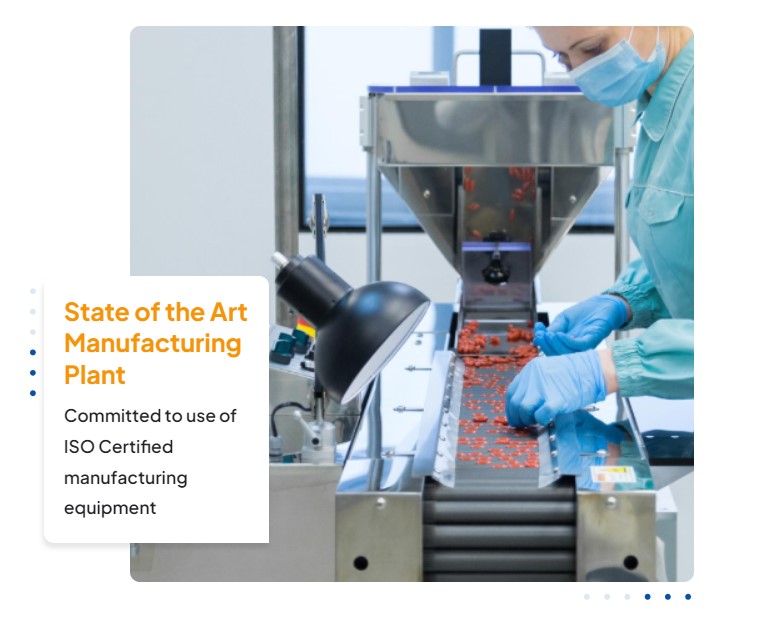
Pharmaceutical industry, Oxygen plant played vital role in their part to produce and supply oxygen and medicines needed for the patients.
Nepal is heavily dependent on India for medicines, the unfortunate part during Covid-19 pandemic was India imposed restrictions for export of crucial medicines like Paracetamol, Steroids, Remdesivir, Tocilizumab, Liposomal Amphotericin B etc. Paucity of supply of those crucial medicines created panic among people. At last Nepalese company National Health Care Pvt. Ltd became successful to produce and supply.
Remdesivir. Some gaps in demand was fulfilled through the supply received from China and Bangladesh.
The great lesson learned from Covid-19 pandemic is to encourage and enhance national industry to expnad the product portfolio, scale up technological and innovative capabilities to meet the therapeutic demand during such critical condition.
Essential and critical care medicines’ manufacture and supply: National pharma industry accepting the fierce challenge to combat the Covid pandemic and save people’s life, manufactured all essential medicines incessantly by applying and following all public health safety measures during the lockdown and restrictions. The national pharma industry strived day and night to fulfill the dire need of highly needed and critical care medicines like Paracetamol, Corticosteroids, Remdecivir, Azithromycin, IV fluid, etc. Hand Sanitizer and alike.
Nepalese Pharma industry forged ahead to supply the medicines across the country, when in fact the whole world was under lockdown, there was no eatery on the highway or any where in transit to the destination. Transportation and shipment was pretty expensive. The national pharma industry and enterpreneurs deserve great appreciation for their immense dedication without longing for profit and extra benefit.The role of pharmaceutcal traders, engaged in import and distribution of essential and critical & life saving medicines was also important in supply of essential and critical care & life saving medicines, when in fact govt. of India imposed restriction on export of such medicines. The enterpreneurs explored far & wide and made it available. Temperature controlled medicines (cold/cool chain medicines) were transported by cold chain/AC van, as the aviation was restricted. The fast action of Nepal Health Research Council and Medicine Regulatory body for facilitation is applaudible. The vehicle drivers exhibited tremendous courage and firm determination to the mission to cater medicine irrespective of uncertainties of food and shelter. Their role is equally invocable.
Covid pandemic taught great lession that the dependency on import of essential commodities like medicines directly impacts people’s livelihoods and well-being. Our initiative and thrust must be to improve health and health security by “Strengthening Pharmaceutical Sustenence”.
Amidst Covid pandemic, United Nations of late has backed Medicines Patent Pool- MPP program with aim to increase access to, and facilitate the development of, life-saving medicines for low and middle income countries through an innovative approach to voluntary licensing and patent pooling. Such initiative ensure rapid access to effective treatments, health technologies in home country without relying on import. The avenue of MPP is extensive encompassing HIV, Hepatitis C and Tuberculosis including Covid-19 treatments and pandemic preparedness. As many as 16 low and middle-income countires are now included in MPP involving almost 60 manufacturing sites across the globe. Nepalese Pharmaceutical Industry must vouch for such golden opportunities offered through global organization like UN. It may not be feasible at the mere initiative of the pharma industry alone. The government and international development partners as well as stakeholders must come forward to shoulder the national industry. The nation as a whole should revamp capability and grab full advantage of MPP for “Strengthening Pharmaceutical Sustenence”.
Food Security, Livelihoods, Nutrition and Social Protection Programmes
Restrictions on the movement of people and commodities have severely limited people’s ability to earn, access necessities and commodities, and enjoy food security. This has affected the most vulnerables. Continuous lockdowns restricting movement and therefore the ability to earn livelihoods and access essentials, and the limited provision and accessibility of social protection schemes are contributing factors to the food insecurity status in Nepal.
Hats off to Philanthropic and Non-governmental organizations, which came forward to distribute food and medical supplies as well as hyegiene and sanitation kits to the underpriviledged. Though it was not adequate or sufficient to meet the need during entire Covid-19 period. Social organizations also contributed to provide Oxygen cylinders, Oxygen concentrators and sanitation items like hand wash system etc.
Education
Most children were staying at home and/or schools remain closed during COVID-19 lockdowns. The ability of caregivers to support learning at home, and the accessibility of learning tools – including online, virtual, and physical – varies, most significantly affecting vulnerable rural households. The closure of educational institutions has led to the postponement of all national level examinations and formal education has largely discontinued at schools. Learning and skills development of students has been affected, impacting student assessment, drop-out rates, and advancement into upper grades without the development of the requisite skills.
COVID-19 Risk Communication
Majority of population have a level of knowledge of COVID-19 and are aware of preventive measures, but a gap between knowledge and practice in relation to limiting the spread of COVID-19 is evident.
Digital technology: The Covid-19 pandemic provided opportunity to surge digital technology. The physically apart people remained in connection through digital tech system. The digital communication became preferred option to hold meeting remotely and digital sign obtained official recognition. Digital marketing also got ground for promotion of products and services including pharmaceuticals. Online marketing, online supplies were also practiced extensively.
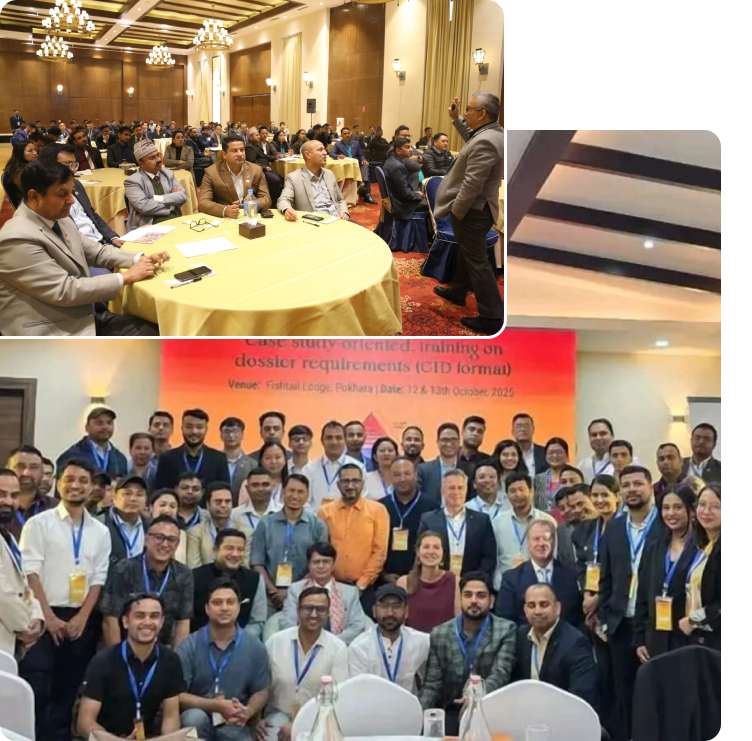
Digital technology and devices like Tele-health, Telemedicine, Artifical intelligence are widely used by health sector to cater healthcare services remotely. Covid pandemic impelled people to hold formal meeting, seminars, conferences as well as training etc through digital technology. Zoom, MS Team, Google meet, messenger, viber group call, skype etc are some leading remote digital meeting modality being used. The digital technology has also been extensively used remotely by psychologists, clericks, priests for psychosocial counselling, preaching and even to perform rituals and even last rituals of deceased.
Aviation, Tourism and Hospitality sector:The entire sector was almost paralysed. Limited operation of aviation caused paucity of essential, life saving and critical care medicines. Hospitality, Travel and tourism sector was worst affected.
Agriculture sector: Agri production had difficulty for access to market and reach out to consumer. The consumer on the other end were deprived of supply of agri products and compelled to pay high price.
Manufacturing sector: Non-essential sector was worse affected, though Essential sector manufacturing was relaxed to run; however, public health safety factor for work force became the hitches. Due to closure of academic institutions the paper industry faced lack of paper demand in the market.
Environmental sector: The restriction on human activity during Covid pandemic offered huge respite to the environment, the silver lining on the cloud is the polution level sank nearly to the rock bottom.
Public health safety sector: The public health safety and sanitation sector leaped forward due to huge demand for public health safety and sanitation kits like hand sanitizer, face mask/cover, face shield, IR thermometer, Pulse/Oxymeter, Personal protection equipment-PPE etc. The Covid-19 pandemic preached good lesson to human folk to practice health hyegiene and sanitation in day to day life and remain healthy.
Remarkable achievement in Vaccine development:
The most remarkable achievement is development of vaccines for emergency use against Covid in short span of time. Accolade to the scientists for their outstanding performance. Though the big question mark is on fair and justifiable distributioin of vaccines across the globe. Massive consumption and holding of vaccine done by developed nations is not justifiable and fair. The response to the impact of COVID-19 require policy and programming options at multiple levels and by multiple stakeholders – national and local government, communities, development partners, local and international organizations.